
Garage Floors Built for Florida Conditions
Concrete, Floor & Paver Coatings in Winter Park for surfaces exposed to vehicle traffic, moisture, and outdoor weather
A garage floor coating fails when heat causes poor adhesion, moisture vapor pushes the film off the slab, or surface preparation skips the grinding and profiling needed for mechanical bond. Olde Winter Park Painting and Construction, LLC applies epoxy garage floor coatings, industrial floor systems, and paver sealing treatments after matching the product to substrate condition, traffic level, and exposure. Garage floors in Central Florida face heat that softens inadequate coatings, humidity that accelerates moisture transmission through concrete, and vehicle fluids that test chemical resistance daily.
This service covers residential garage floors, commercial and industrial flooring, outdoor paver sealing, and paver restoration where a protective or decorative coating improves durability and appearance. Preparation involves cleaning, repairing cracks or spalls, and profiling the surface through grinding or acid etching so the coating bonds mechanically rather than sitting on top of a smooth slab. The coating selection depends on whether the floor supports light foot traffic, daily vehicle use, or industrial equipment, and whether the surface remains indoors or faces direct sun and rain.
Request a coating consultation to review substrate condition, traffic requirements, and finish expectations for your floor or paver project.
How Floor and Paver Coatings Address Exposure
The coating process begins with evaluating the concrete or paver surface for moisture content, existing sealers or contaminants, and structural issues like cracking or settlement. Grinding or diamond profiling opens the pore structure of concrete, creating the texture needed for epoxy or urethane coatings to anchor properly. Paver sealing requires removing old sealer residue, cleaning joint sand, and ensuring the surface is fully dry before applying a penetrating or film-forming sealer that resists UV degradation and moisture intrusion.
Once the coating cures, garage floors resist hot tire pickup, shed spilled fluids without staining, and clean with simple rinsing instead of scrubbing. Sealed pavers maintain color intensity, resist weed growth in joints, and shed water more predictably during Florida's heavy afternoon storms. The difference becomes obvious when you park a hot vehicle on a coated floor and the tires no longer leave marks, or when rain stops pulling sand out of paver joints because the sealer stabilizes the surface.
Decorative residential garage coatings typically involve color flake broadcast systems, while commercial and industrial applications may require thicker build, aggregate traction additives, or chemical-resistant topcoats. The service does not repair structural slab issues, level uneven concrete, or address rising groundwater that causes continuous moisture vapor transmission—those conditions require different solutions before coating work proceeds.
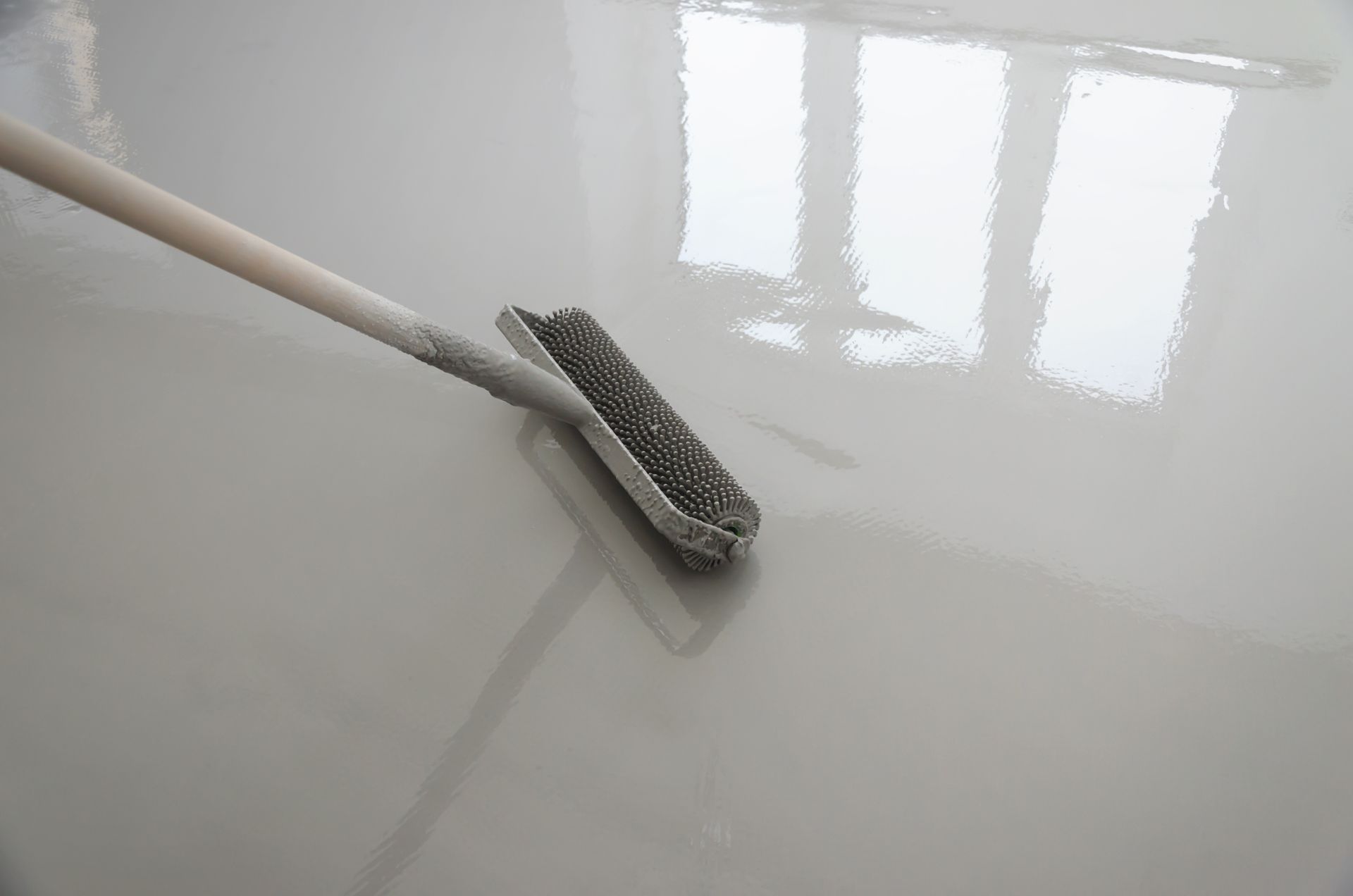
Understanding how substrate preparation, product selection, and environmental conditions affect coating performance helps property owners evaluate quality and longevity.
What preparation is required before applying a garage floor coating?
The concrete surface must be cleaned, degreased, and profiled through mechanical grinding or chemical etching to remove any existing sealer, paint, or contaminants. Cracks and spalls are filled, and a moisture vapor test confirms the slab is dry enough to accept a coating without delamination risk.
How does Florida heat affect epoxy floor coatings?How does Florida heat affect epoxy floor coatings?
High temperatures accelerate curing, shorten working time, and can cause coatings to soften if the product lacks sufficient heat resistance. Quality garage floor systems use epoxy or polyurethane formulations rated for thermal stability, preventing hot tire pickup and surface distortion during summer months in Winter Park.
Why do some paver sealers turn white or peel after application?
Moisture trapped beneath a film-forming sealer causes whitening or blistering, especially when pavers are sealed too soon after cleaning or during high humidity. Proper paver sealing requires the substrate to dry completely, and product selection must account for whether the surface drains well or remains damp longer in shaded areas.
How long before I can drive on a newly coated garage floor?
Most epoxy systems allow foot traffic within 24 hours and light vehicle traffic within 72 hours, but full cure and maximum chemical resistance develop over seven days. Temperature and humidity during curing affect these timelines, so cooler or more humid conditions extend the wait period.
What is the difference between penetrating and film-forming paver sealers?
Penetrating sealers soak into the paver and provide stain resistance without changing surface appearance or creating a slippery film, while film-forming sealers sit on top, adding gloss and color enhancement but requiring more frequent reapplication as UV exposure degrades the coating. The choice depends on whether you want a natural look or enhanced color.
What Clients Ask About Coating Projects
Olde Winter Park Painting and Construction, LLC evaluates concrete moisture levels, existing coatings, and exposure conditions before recommending a floor or paver coating system. Discuss your project scope and request a detailed estimate that includes preparation, product specifications, and curing timelines.