
Exteriors That Look Clean All Year
Pressure Washing & Surface Cleaning in Winter Park for homes and properties affected by mold, mildew, and algae buildup
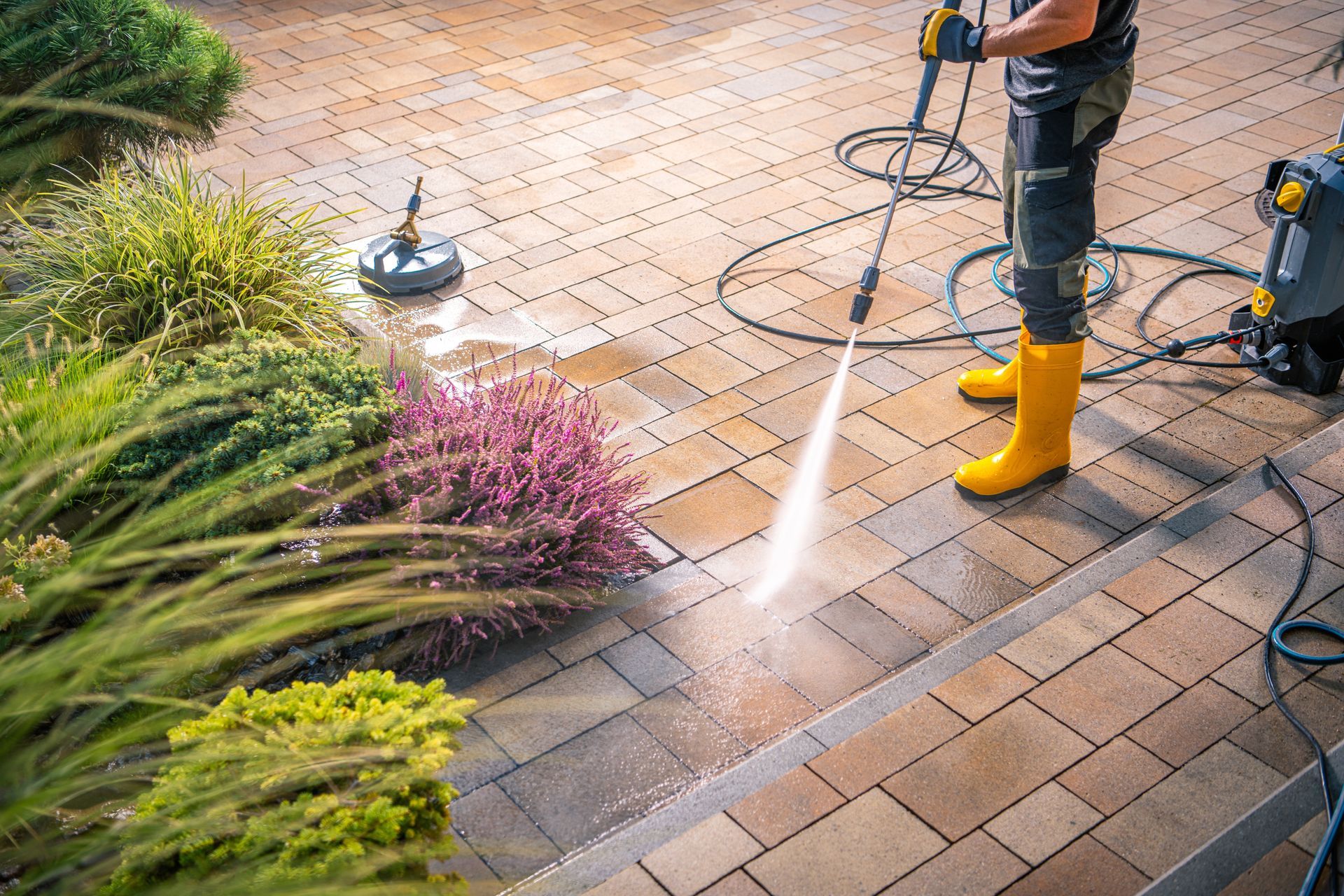
Central Florida's humid climate accelerates organic growth on exterior surfaces, leaving dark streaks on roofs, green film on sidewalks, and discoloration across siding and driveways. Olde Winter Park Painting and Construction, LLC provides pressure washing and surface cleaning services designed to remove dirt, biological growth, and residue without damaging the underlying material. The method used depends on the surface—house siding requires softer cleaning approaches than concrete driveways, and selecting the wrong pressure setting or chemical concentration can etch surfaces or force water behind protective barriers.
This service addresses accumulated grime on driveways, sidewalks, decks, exterior walls, and other exposed surfaces, with cleaning methods matched to whether the material is painted wood, composite decking, brick, stucco, or poured concrete. Removing surface contaminants also prepares suitable substrates for repainting or protective coatings when those projects follow. In Greater Orlando's rainy environment, surfaces that stay shaded or remain damp longer develop organic growth faster, and regular cleaning interrupts that cycle before discoloration becomes permanent.
Schedule an exterior cleaning assessment to identify which surfaces need attention and the appropriate cleaning method for each material.
What Proper Surface Cleaning Requires
Surface preparation begins with evaluating the material type, existing condition, and the nature of the contamination—whether it's dirt, mildew, algae, rust staining, or oil residue. Softer washing techniques use lower pressure combined with cleaning solutions that break down organic growth, while higher-pressure methods remove embedded dirt from concrete and masonry without relying solely on chemical action. The nozzle selection, spray angle, distance from the surface, and dwell time for cleaning agents all affect whether the result is thorough cleaning or surface damage.
After cleaning, you notice that siding returns to its original color, concrete no longer shows dark patches, and wood decking loses the slippery film that develops in humid conditions. Water drains more predictably from cleaned surfaces, and the overall appearance shifts from neglected to maintained. While some deep stains—particularly tannin bleeding from wood or rust transfer from metal—may not lift completely, the majority of environmental soiling comes off when the right cleaning method matches the substrate.
The service does not repair damaged surfaces, seal porous materials, or address underlying moisture intrusion. Cleaning reveals the true condition of the substrate, which sometimes means exposing peeling paint, spalling concrete, or rot that was hidden under layers of grime. Those findings inform whether additional repair or coating work should follow the cleaning phase.
Property owners in Central Florida often ask how cleaning frequency and method selection affect long-term surface condition and appearance.
What determines whether soft washing or pressure washing is used?
The material being cleaned dictates the method—painted wood, vinyl siding, and composite materials respond better to low-pressure chemical cleaning, while concrete driveways and brick pavers tolerate higher pressure without damage. Choosing the wrong approach can strip paint, gouge soft wood, or leave residue that accelerates re-soiling.
How does Central Florida's climate affect how often surfaces need cleaning?
High humidity, frequent rain, and warm temperatures create ideal conditions for mold, mildew, and algae growth, especially on north-facing or shaded surfaces. Most properties in Winter Park benefit from cleaning every 12 to 18 months, though heavily shaded areas or surfaces near landscaping may need attention sooner.
Why do some stains return quickly after cleaning?
Organic growth reappears when spores remain in porous surfaces or when moisture and shade persist. Cleaning removes visible contamination but does not change the environmental conditions that caused it, so surfaces exposed to constant dampness or limited sunlight will show regrowth faster than fully exposed areas.
What should I do before the cleaning crew arrives?
Clear furniture, potted plants, and decorative items from driveways, patios, and deck areas, and close all windows and exterior doors to prevent water intrusion. Identify any fragile plantings near the work zone so cleaning solutions can be diluted or rinsed more thoroughly in those areas.
How long does it take for cleaned surfaces to dry completely?
Concrete and masonry typically dry within a few hours in sunny conditions, while wood decking and porous siding may remain damp for 24 to 48 hours depending on humidity and airflow. Avoid applying sealers or coatings until all moisture has evaporated from the substrate.
Questions About Exterior Cleaning Projects
Olde Winter Park Painting and Construction, LLC evaluates surface type, contamination level, and surrounding landscaping before selecting cleaning methods for each project. Request an exterior cleaning assessment to determine which areas need treatment and how cleaning fits into your broader maintenance or preparation plans.