Finishes That Respect Architectural Character
Specialty & Decorative Finishes in Winter Park for interiors and exteriors requiring custom color work, texture, or restoration-sensitive approaches
Decorative finishes fail when application speed replaces controlled technique, when color formulas are approximated instead of tested, or when the wrong base product is used for the desired effect. Olde Winter Park Painting and Construction, LLC provides faux finishes, decorative painting techniques, accent textures, and restoration-oriented finish work that emphasizes preparation, color coordination, and sensitivity to existing architectural details. This service suits clients seeking results beyond standard repaints—spaces where finish quality, visual interest, or historical character matter more than minimizing cost or time.
The work involves detailed surface preparation, sample development to confirm color and technique, controlled application of multiple glaze layers or specialty coatings, and coordination with trim, millwork, and adjacent finishes. Faux techniques replicate materials like wood grain, stone, or aged plaster, while decorative approaches add texture, metallic accents, or color layering that create depth and movement. In parts of Central Florida with traditional or historic buildings, restoration-focused painting respects original color palettes, surface textures, and detailing without introducing anachronistic materials or finishes.
Request a consultation to discuss specialty finish goals, review samples, and evaluate how decorative techniques can be applied to your project.
What Proper Decorative Finishing Involves
Specialty finish projects begin with understanding the client's vision, the architectural context, and the condition of the substrate. Preparation often exceeds what standard repaints require—surfaces must be exceptionally smooth for glazing techniques, or textured uniformly for decorative plasters, and any imperfections show more prominently once layered finishes are applied. Sample boards demonstrate color interaction, sheen variation, and the final appearance under different lighting before committing to full application, and adjustments are made until the result matches expectations.
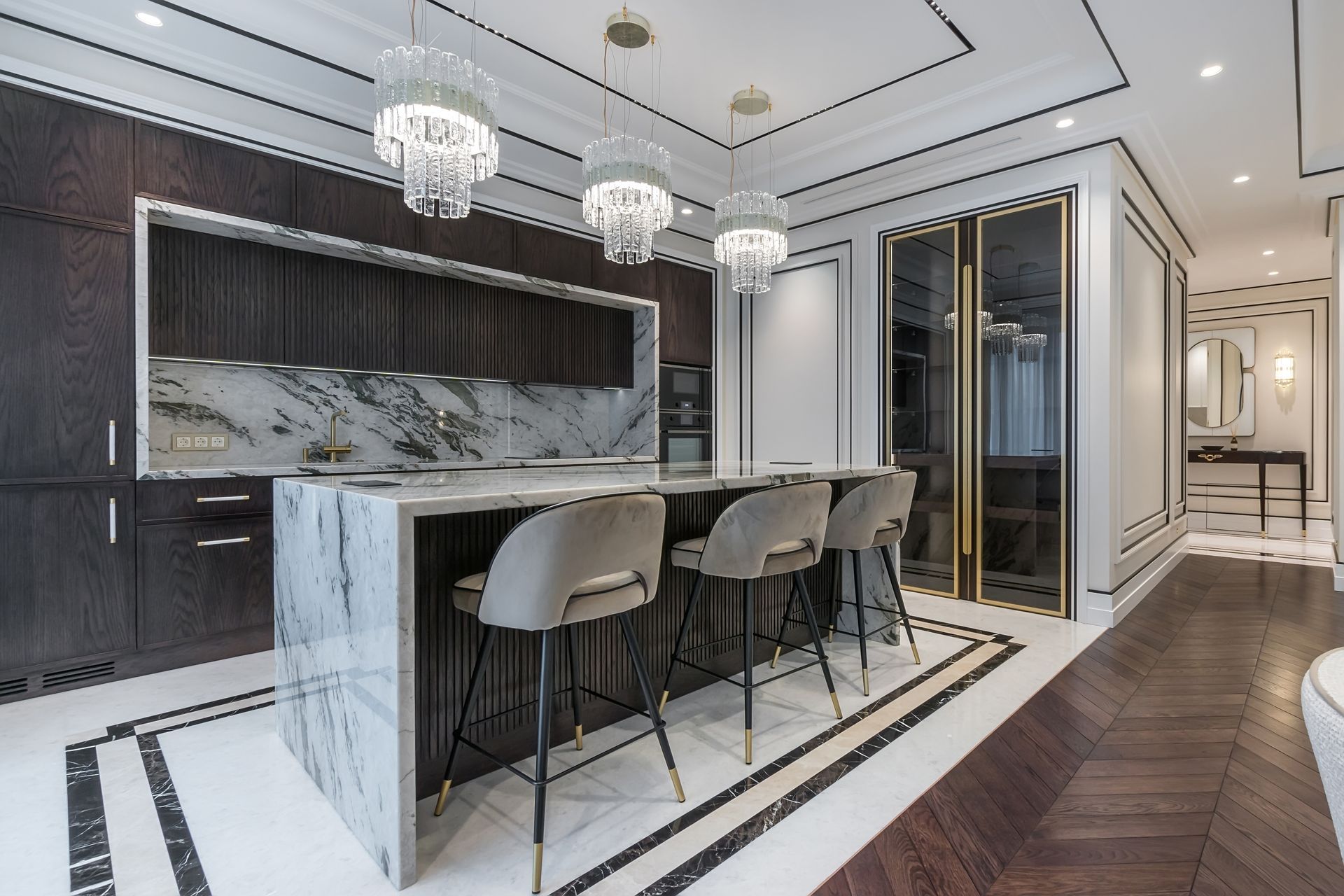
When the finish is complete, the surface shows depth, complexity, and visual interest that flat paint cannot produce. Faux wood graining reads as authentic from typical viewing distances, decorative glazes create subtle color shifts that change with light angles, and textured finishes add tactile and visual dimension to feature walls or exterior details. The result looks intentional and controlled rather than experimental, with clean edges, consistent technique, and durability appropriate to the location and use.
Specialty finishes require more time, skill, and material cost than conventional painting, and they are not appropriate for every project or budget. The service suits clients who value craftsmanship and distinctive results, and who understand that decorative work involves iteration, testing, and attention to detail that extend beyond basic surface coverage.
Clients considering decorative or specialty finishes often want clarity on process, durability, and how these techniques differ from standard painting.
What is the difference between faux finishes and standard painted surfaces?
Faux finishes use layered glazes, specialized tools, and controlled application techniques to replicate the appearance of materials like wood, stone, or aged plaster, while standard painting applies uniform color and sheen. The process requires more skill, time, and testing to achieve realistic results.
How durable are decorative finishes compared to conventional paint?
Durability depends on the products used, the number of protective topcoat layers, and the location—interior decorative finishes in low-traffic areas perform well indefinitely, while exterior specialty coatings face UV exposure, moisture, and temperature swings that require periodic maintenance. Proper preparation and sealing extend longevity significantly.
Why do specialty finishes cost more than regular painting?
The work involves detailed surface preparation, custom color mixing, sample development, multiple application passes with different materials, and techniques that require slower, more controlled execution. Material costs are higher for glazes, metallics, and specialty coatings, and the labor intensity far exceeds standard roller application.
How are colors and techniques selected for restoration-focused projects?
Research into the building's era, regional traditions, and original materials guides color and finish selection, often supplemented by analyzing existing paint layers or consulting historical references. The goal is compatibility with the structure's character rather than replication of every original detail, especially when modern durability or safety requirements apply.
What preparation is required before applying decorative finishes?
Surfaces must be clean, smooth, and structurally sound, with all cracks, holes, and imperfections repaired and sanded flush. Base coats are applied to ensure uniform color and absorption, and sample areas are tested to confirm technique and appearance before proceeding with full application.
What Property Owners Usually Ask
Olde Winter Park Painting and Construction, LLC develops specialty finishes through consultation, sample testing, and careful execution that respects both the client's vision and the architectural context. Schedule a consultation to explore decorative finish options and review examples of technique, color, and texture appropriate to your space.