Reflective Coatings That Handle Sun and Rain
Roof Coating & Waterproofing in Winter Park for commercial and residential roofs exposed to heat, UV degradation, and moisture intrusion
Roof coatings applied over deteriorating substrates or without addressing seam failures and penetration details trap moisture, accelerate corrosion, and fail within months instead of years. Olde Winter Park Painting and Construction, LLC evaluates surface condition, identifies problem areas, and applies elastomeric roof coatings, reflective coating systems, and waterproofing-focused treatments designed to extend roof life when the underlying structure remains sound. Central Florida's combination of intense sun, high heat, heavy rain, and moisture exposure breaks down unprotected roofing materials faster than in drier or cooler climates, and coating work must account for those stressors to deliver meaningful protection.
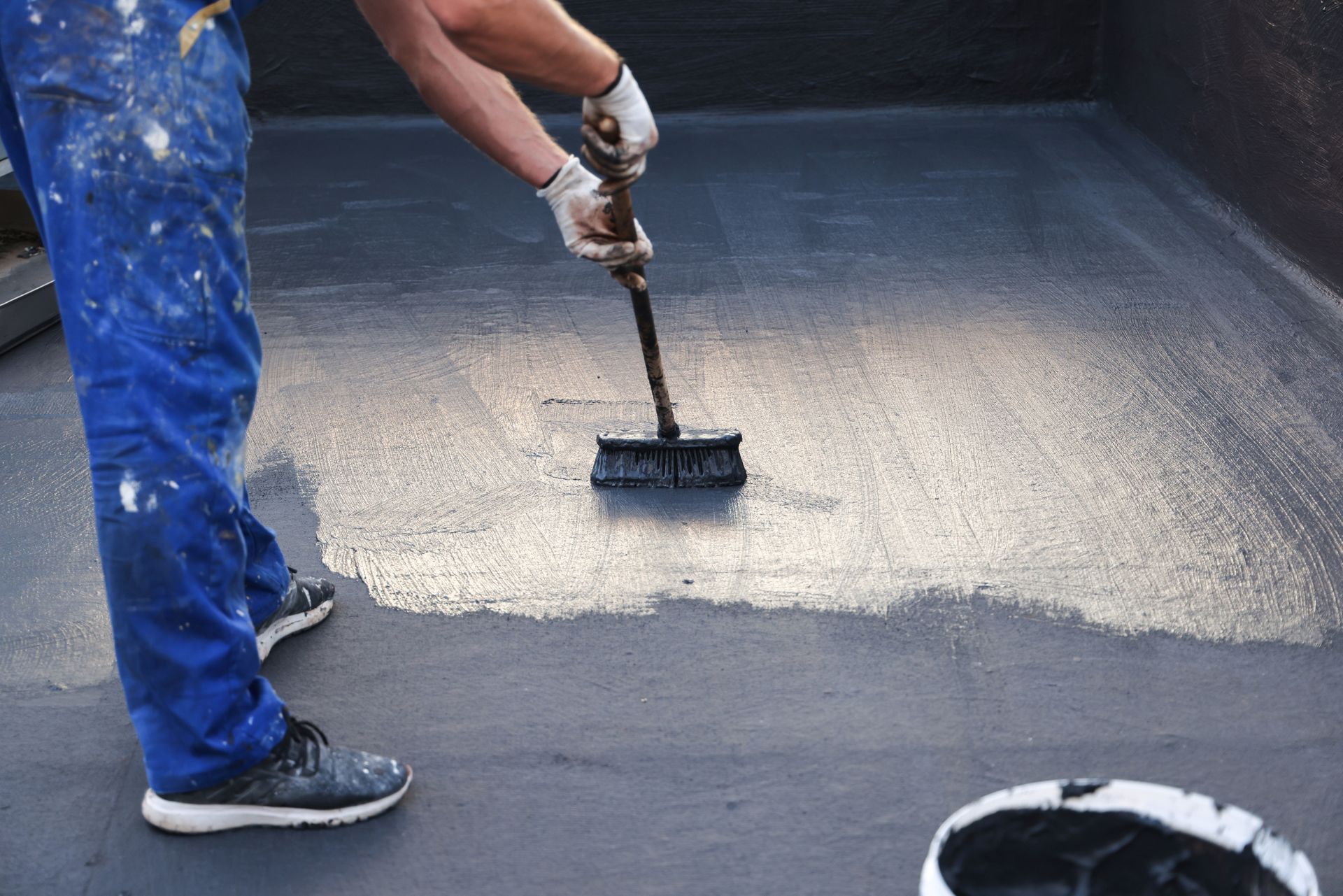
This service addresses metal roofs, modified bitumen, single-ply membranes, and certain built-up roof systems where a coating layer can restore waterproofing, improve reflectivity, and reduce thermal cycling. Preparation includes cleaning, repairing damaged areas, sealing seams and penetrations, and priming when the substrate requires it for adhesion. The coating selection depends on roof type, slope, existing condition, and whether the goal is waterproofing, heat reflection, or both.
Request a roof coating evaluation to determine whether your roof qualifies for coating treatment and what preparation work the project requires.
Why Surface Condition Shapes Coating Success
Roof coating assessment begins with inspecting for active leaks, membrane separation, rust perforation on metal, ponding water, and the overall condition of seams, flashing, and roof penetrations. Coatings cannot repair structural damage, bridge large gaps, or stop leaks caused by underlying deck rot or failed fasteners—those issues require repair before coating work proceeds. Surface preparation involves removing loose material, dirt, and biological growth, followed by priming rusted metal or porous substrates and sealing all seams, transitions, and penetrations with compatible fabric-reinforced mastic or caulking.
After the coating cures, the roof surface reflects more sunlight, reducing heat absorption and thermal expansion cycles that stress seams and fasteners. Water sheds more predictably, and minor surface cracks or pinholes are sealed beneath the elastomeric film. The coating does not eliminate the need for maintenance, prevent damage from debris or foot traffic, or guarantee leak elimination if underlying issues were not addressed during preparation, but it does extend service life when applied to a structurally sound roof.
The service includes inspection, preparation, seam and penetration detailing, and coating application, but does not replace roofing membranes, repair structural decking, or address drainage problems that cause standing water. Roof coating is a maintenance and life-extension measure, not a substitute for replacement when the substrate has reached the end of its functional life.
Property owners considering roof coating projects in Greater Orlando often ask how preparation, material compatibility, and environmental conditions affect performance and longevity.
What types of roofs are suitable for coating applications?
Metal roofs, modified bitumen, EPDM, TPO, and certain built-up roof systems can accept coatings when the substrate is structurally sound, free of active leaks, and properly prepared. Tile, slate, and severely deteriorated roofs typically do not qualify, as coatings cannot bridge large gaps or adhere to incompatible surfaces.
How does Central Florida's weather affect roof coating selection and application?
High humidity, frequent afternoon storms, and intense UV exposure require coatings with strong adhesion, flexibility to handle thermal expansion, and UV-stable pigments that resist chalking and color fade. Application timing must avoid rain during curing, which in Winter Park means monitoring weather closely and working during drier months when possible.
Why do some roof coatings fail prematurely?
Common causes include inadequate surface preparation, coating applied over wet or dirty substrates, failure to seal seams and penetrations before coating, incompatible primer or coating chemistry, and insufficient film thickness. Coatings also fail when applied to roofs with unresolved structural problems like ponding water, rusted-through metal, or delaminated membranes.
How long does a roof coating last before reapplication is needed?
Performance depends on coating type, film thickness, roof slope, exposure, and maintenance, but elastomeric and reflective coatings typically last seven to fifteen years before requiring recoating. Regular inspections and minor touch-ups extend service life by addressing small issues before they compromise the entire coating layer.
What is the difference between roof coating and roof replacement?
Coating restores and protects an existing roof system that remains structurally sound, while replacement removes and rebuilds the entire assembly. Coating costs significantly less and causes less disruption, but only works when the underlying roof has sufficient integrity to support another service cycle.
Common Questions About This Service
Olde Winter Park Painting and Construction, LLC inspects roof condition, identifies necessary repairs, and recommends coating systems based on substrate type and exposure. Arrange a roof coating evaluation to determine whether coating work is appropriate for your building and what preparation the project requires.